
- Aashirvad-Hearing-Care's Blog
- Log in or register to post comments
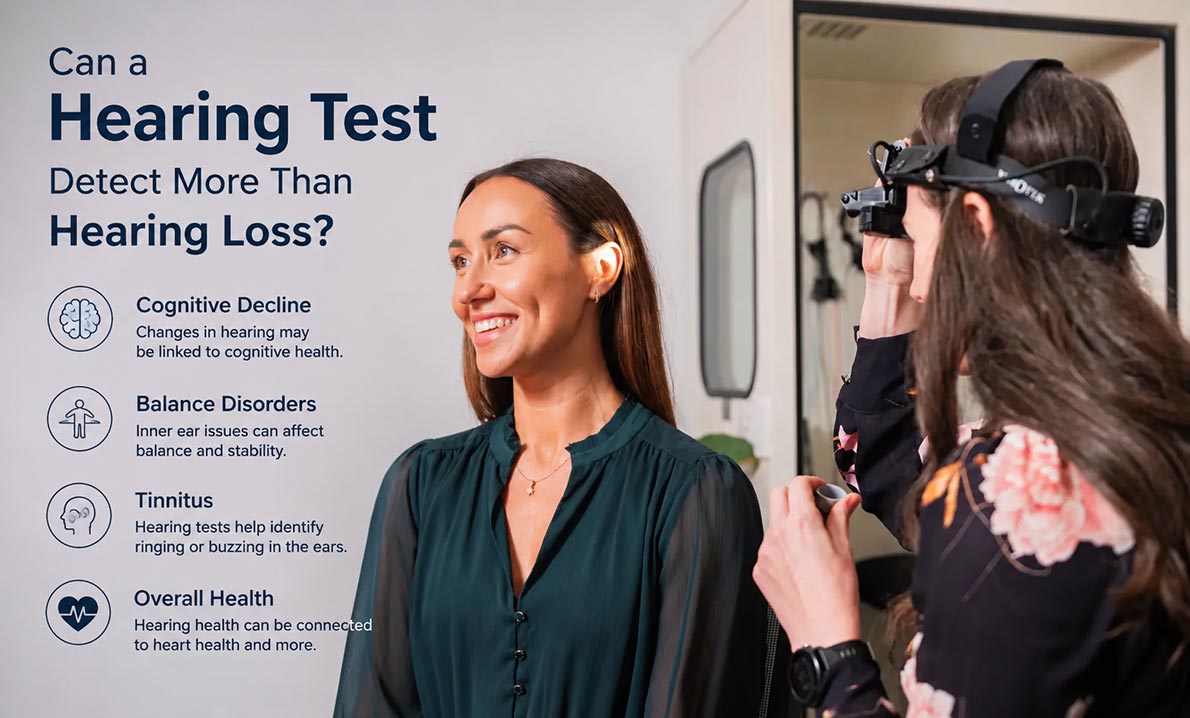
Most people think that hearing test is only used to check to see if they have a hearing loss. Even if one of its main functions is to detect hearing loss, a hearing exam conducted by a hearing health care professional can offer a lot of information concerning the overall ear and hearing condition. In some instances, a hearing test can even be beneficial in determining the cause of the hearing loss and whether or not there are any medical issues that need to be addressed.
The purpose of a hearing test can be difficult to understand.It is not easy to understand the purpose of a hearing test.
A professional hearing test assesses the ability to hear different sounds, frequencies and speech. These evaluations also help hearing specialists detect patterns and symptoms that could indicate other ear, auditory and health problems.
When an audiologist takes into account the results of the test along with your medical history and symptoms, he or she can learn so much more than just your level of hearing.
Identifying the various types of hearing loss is the first step in assisting the child with their hearing loss.
A hearing test will help identify a hearing loss as being one or more of the following:
- Conductive Hearing Loss – Due to issues with the outer or middle ear.
- Sensorineural hearing loss: caused by damage to the inner ear or the auditory nerves.
- A combination of both, mixed hearing loss.
- The type of hearing loss will help determine the best treatment and management.
- How to recognize the signs of ear infections and ear wax buildup.
Audiologists may use an otoscope to check the ear canal prior to performing hearing tests. This exam can detect excessive earwax, fluid buildup, inflammation or infections that can cause temporary hearing loss.
Treatment can sometimes make it possible for a person to hear again without the use of a hearing aid or other treatment.
Detecting Tinnitus-Related Issues
A great deal of people suffer from tinnitus, or a ringing buzzing, humming noise in the ears. A hearing test may be used to find out if tinnitus is linked to a hearing loss or hearing condition.
A cause is often identified and this can assist a hearing specialist to recommend effective management.
Finding Out If You Have Balance AndInner Ear Issues
The ear is essential for the sense of hearing and balance. Some hearing test outcomes can indicate inner ear issues that will result in dizziness, vertigo, or balance issues.
When these symptoms are seen, more testing with an ear, nose and throat doctor (ENT) may be needed.
Recognizing The Presence Of Problems In Medicine
If hearing test results are atypical, this could be a sign of the following health-related problems:
- Diabetes
- Cardiovascular disease
- Autoimmune disorders
- Acoustic neuroma (a non-cancerous nerve tumour)
- Other neurological conditions
A hearing test cannot be used to diagnose these conditions directly, but it can identify important clues to further medical evaluation.
Hearing evaluations are an important procedure, but why?
A professional hearing test is more than just a hearing test. It offers insights about your ears, your hearing system and your health. Identifying hearing loss and related conditions early can help in quicker intervention and long-term favorable outcomes.
If you've experienced any changes in your hearing, tinnitus or any problems with your balance, a professional hearing assessment is an important part of keeping your ears functioning and your health in check.